
Journal · Volume I · Field Notes
The Last Breath of Air.
On the flat-six that refused to be cooled by anything but the sky — and why, forty years after Zuffenhausen let it go, we are still listening for its particular silence.
- Essay · 9 min read
- By the Neun Archiv Workshop
- Cork · Autumn MMXXVI
Journal / 001
Air-cooled · 1948 — 1998
Scroll ↓
Filed Under
- — Engineering
- — Air-cooled
- — 911 · 964 · 993
- — Workshop Notes
Movements
There is a particular hush that follows an air-cooled Porsche when the ignition is cut. Not the muffled cool-down tick of a water-jacketed engine, but something drier — the sound of metal releasing heat directly into the room.
I —
A Machine of Weather
An engine that
lives in the atmosphere.
Every air-cooled flat-six is, in effect, a small piece of climate. It exchanges heat not with a closed loop of glycol but with the air the car happens to be moving through — the damp of an Irish morning, the dry heat of the Nürburgring in August, the thin cold of an Alpine pass at dawn.
This is why owners speak of these cars in weather. A 911 at eighty on a cool day is a different machine than the same 911 idling in traffic in July. The engine is honest about it. The gauges tell you. The sound tells you. Nothing is hidden behind a thermostat.
“A water-cooled engine tells you what it wants you to know. An air-cooled one tells you everything.”
— Workshop notebook, Cork, 2026
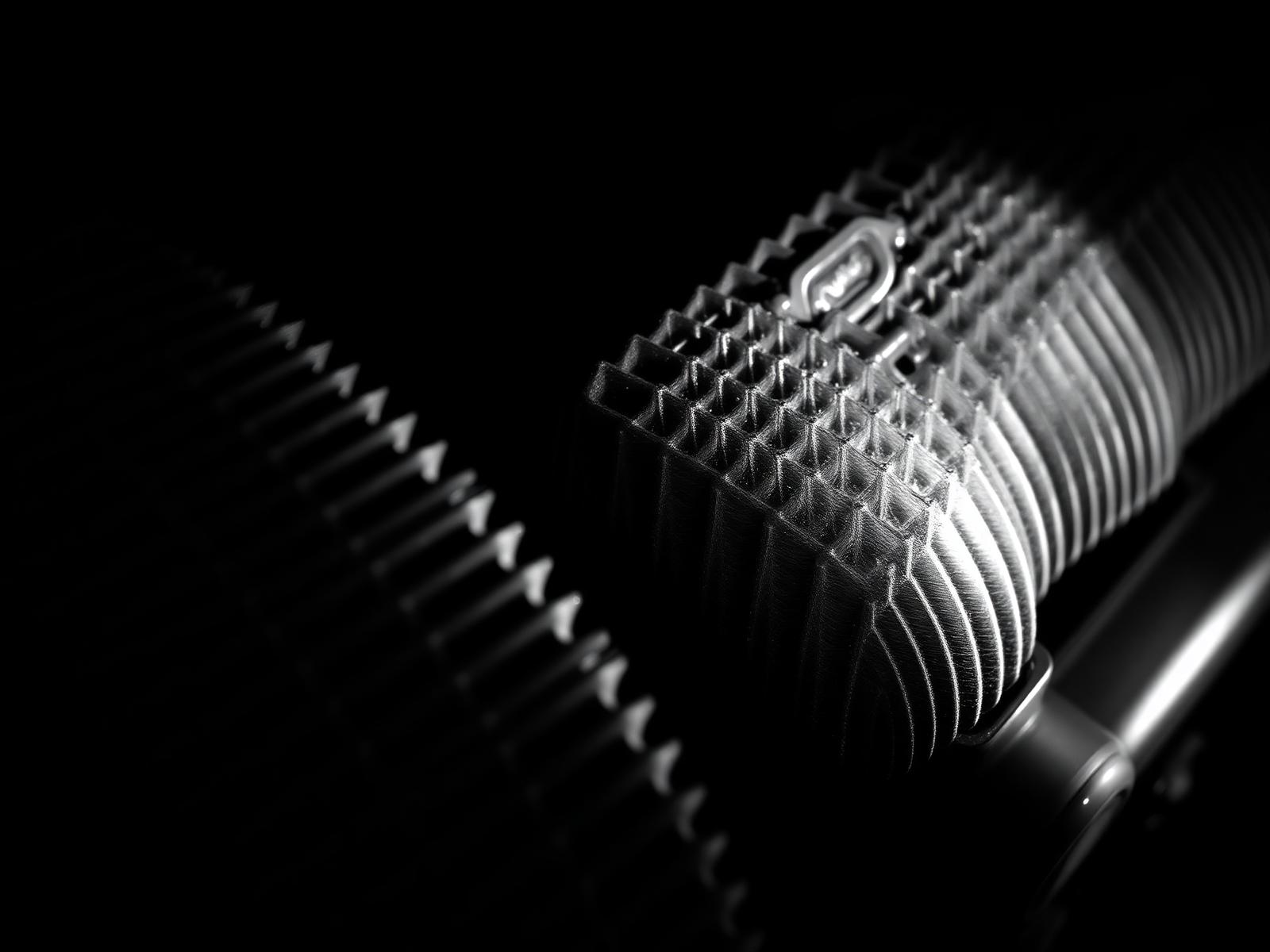
Plate 01 — Cylinder cooling fins, 2.7 MFI
Neun Archiv Reference
II —
Why Zuffenhausen Resisted
Fifty years of
stubborn refusal.
By the late 1970s, water cooling was already the industry standard. It was quieter, cleaner, and easier to homologate. Porsche knew this. And yet Zuffenhausen kept the fan turning for another two decades — through the 3.0 SC, the 3.2 Carrera, the 964, and finally the 993, the last of the line, in 1998.
The reason was not sentiment. It was character. Air cooling is a design constraint that touches everything: the bore spacing, the ignition timing, the very rhythm of the exhaust note. Remove it and the 911 becomes a different animal — faster, perhaps, but no longer the same conversation.
First
1948
356/1
Last
1998
993 3.6
Fan
11 blades
Magnesium
Coolant
Sky
Nothing else
III —
What the Fan Knows
Eleven blades,
one purpose.
Lift the engine cover of any 911 built before 1998 and the first thing you meet is the fan. Magnesium, black, eleven blades on the later cars, driven belt-perfect from the crankshaft. It is the reason the engine exists.
A well-restored fan turns almost silently. A tired one hums. A neglected one screams. In our workshop, we have learned to diagnose a car from ten feet away, before the bonnet is even open, simply by listening to the fan settle after shutdown.
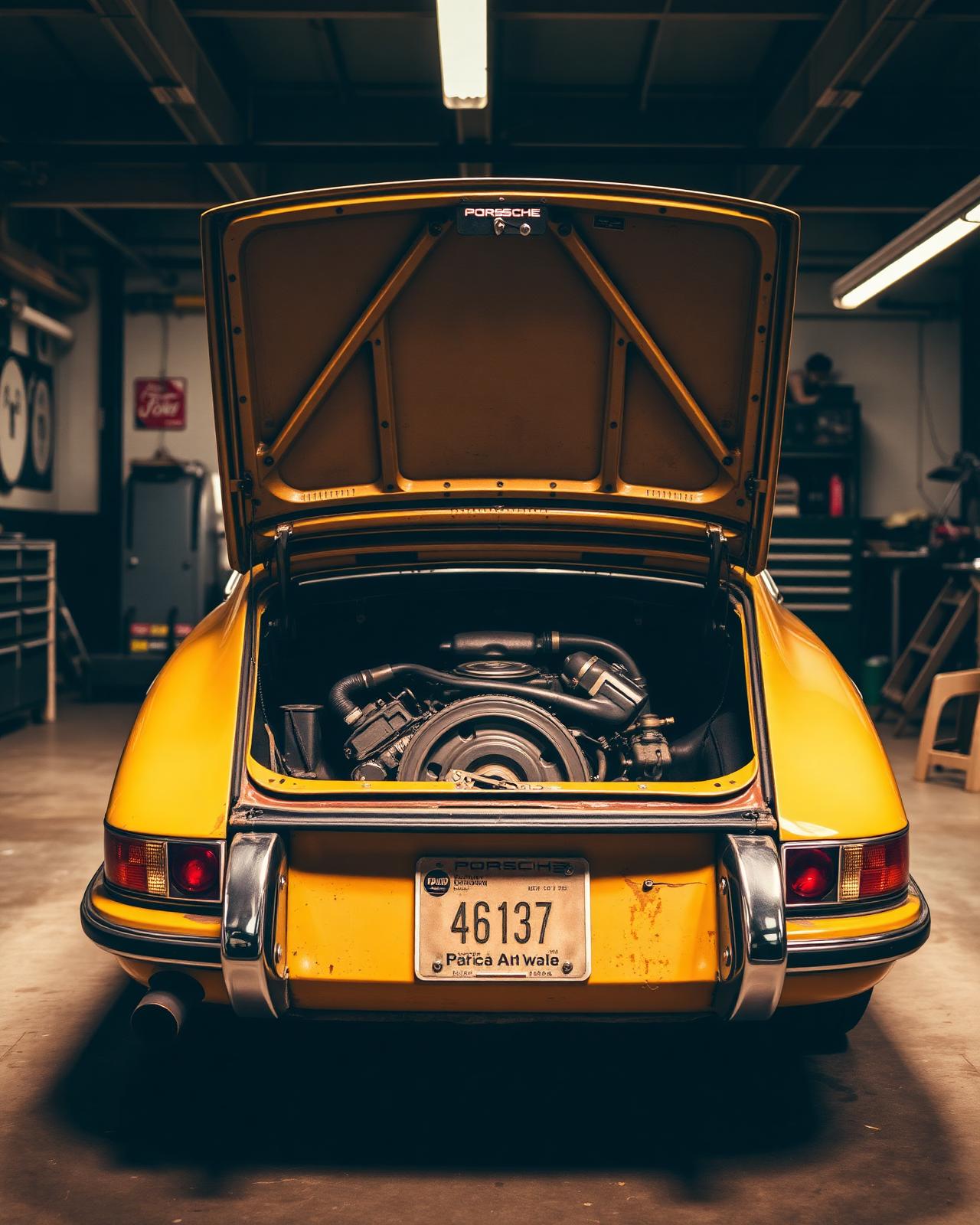
Plate 02 — 911 engine bay, on the bench
Cork, MMXXVI
IV —
The Last Breath
What we are
really preserving.
When we speak of preserving air-cooled parts, we are not really speaking about metal. We are speaking about a way of building cars that no manufacturer will ever return to. A logic that accepted noise, heat, and honesty as the price of a certain kind of machine.
Every crankcase we catalogue, every gauge we re-engineer, every fan we return to specification is a small argument against forgetting. The engines themselves will run for as long as there are hands willing to keep them cool. The question is only whether those hands remember why.
That, in the end, is what the Journal is for.
Filed from the Cork Workshop
Journal · 001 / MMXXVI
© Neun Archiv
Continue
Read the parts behind the essay.
The Heritage Vault holds the crankcases, cooling fans and instruments referenced above. Not for sale — catalogued for the record.